Futures Arbitrage Scanner
Funding dislocations, perp spreads, and exchange routes
Futures Crypto Arbitrage Scanner | Perpetual Spread Guide
Discover profitable crypto arbitrage opportunities with our advanced futures scanner. Track real-time price discrepancies across Binance, Bybit, OKX, MEXC and 20+ exchanges. Monitor funding rates, basis spreads, and delta-neutral strategies. Professional-grade arbitrage detection for perpetual contracts with instant alerts and risk management.
Understanding Periodic Payment Capture
Perpetual contracts feature recurring payments between long and short holders to anchor prices to the underlying index. When payment rates diverge across venues, traders can capture the net differential by holding offsetting positions—earning every 8 hours while remaining hedged against absolute price movement.
What is Delta-Neutral Perpetual Arbitrage?
Perpetual arbitrage exploits pricing discrepancies for the same contract across different venues. By simultaneously holding a long position where the asset is undervalued and a short where it's overpriced, you isolate profit from market structure rather than price direction. When the spread compresses—which happens as markets equilibrate—you capture the differential.
Our real-time engine monitors order books across 26+ venues to identify the widest spreads with sufficient depth for immediate execution. We track basis fluctuations, periodic payment schedules, and liquidation distances to ensure every opportunity is actionable.
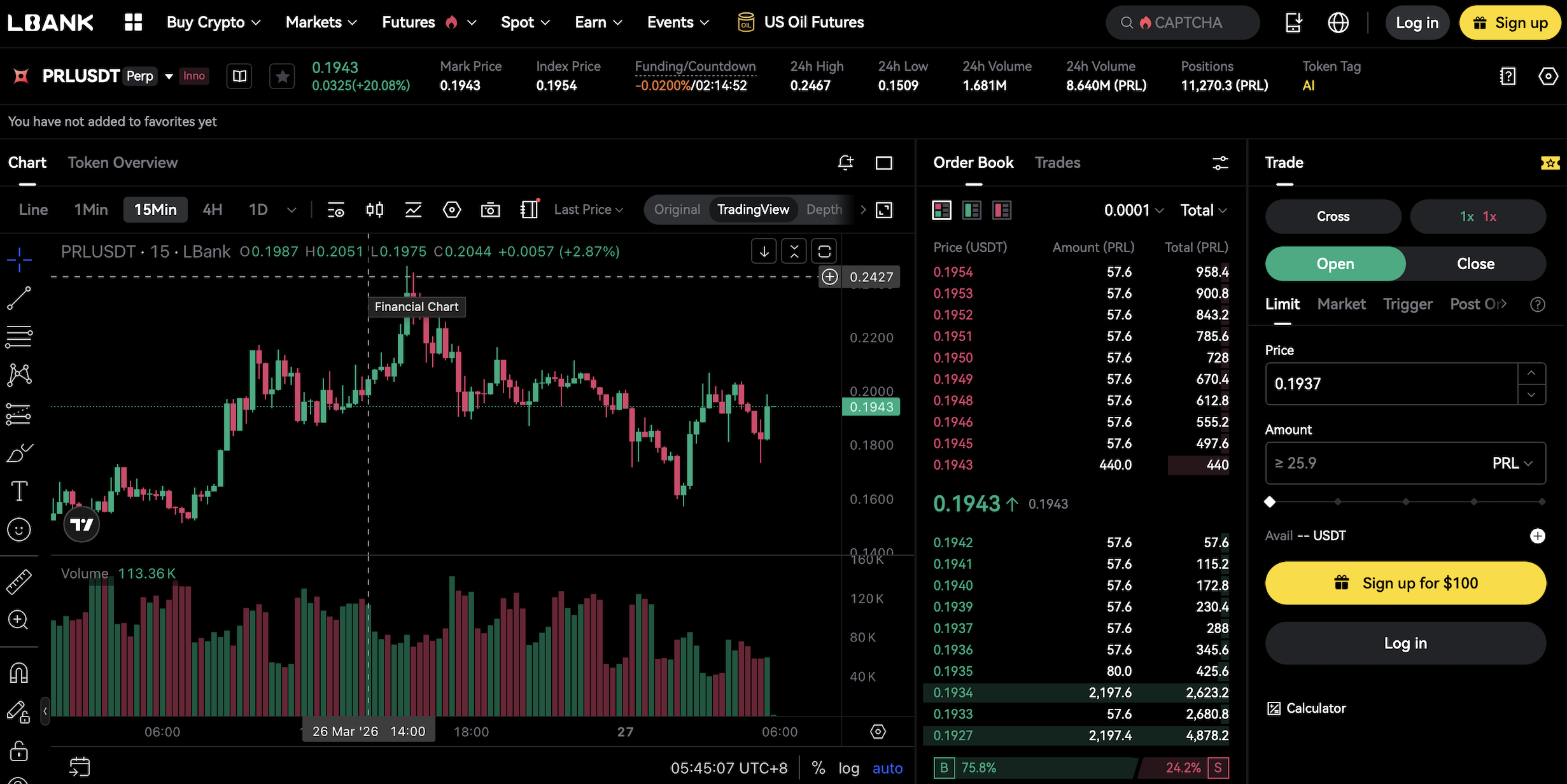
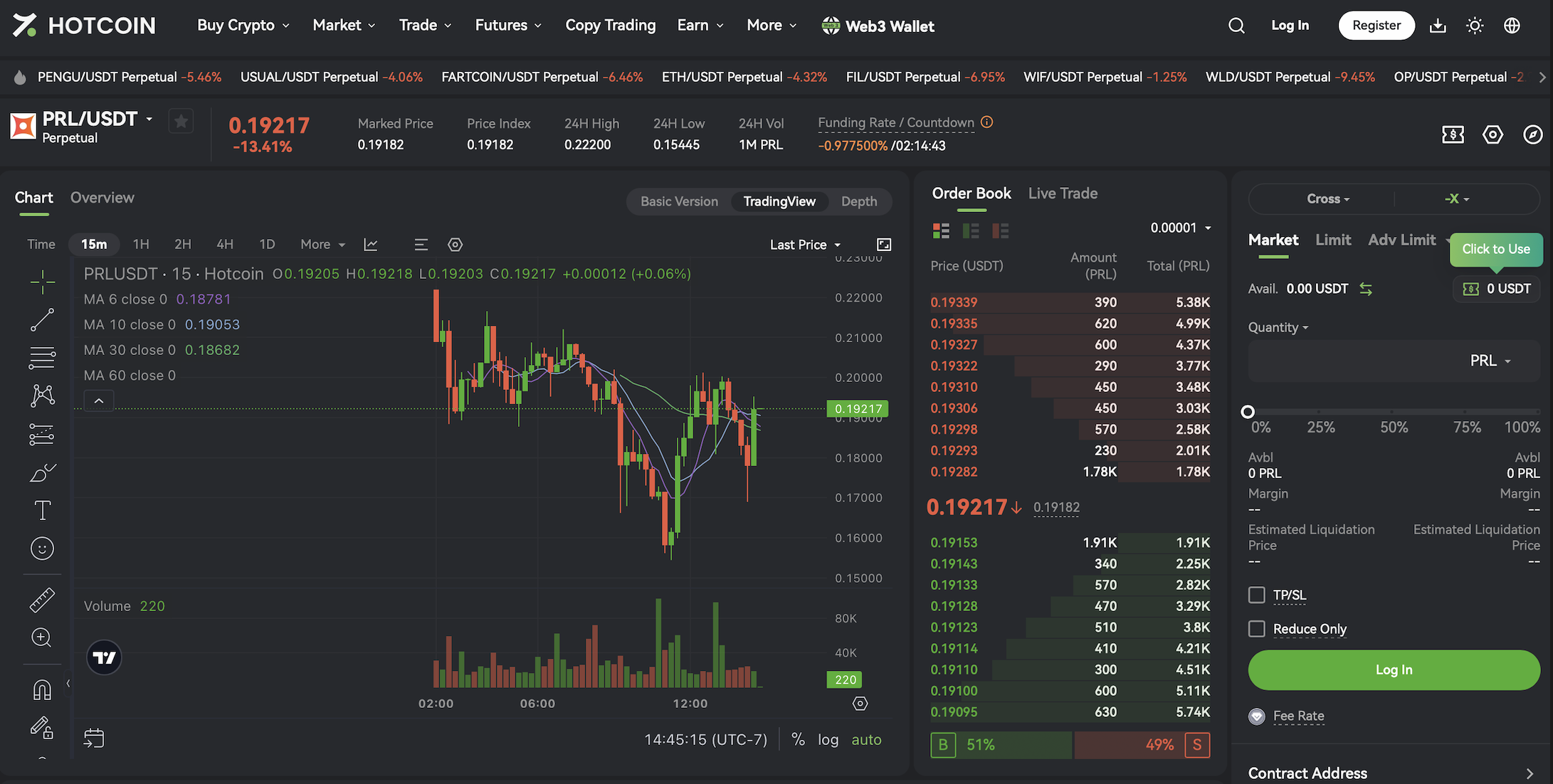
How Cross-Venue Hedging Generates Returns
Step 1: Identify Structural Price Gaps
The scanner continuously compares perpetual contracts for 2,500+ trading pairs. When significant divergences appear—often during volatility or exchange-specific demand spikes—you receive an immediate alert with entry prices.
Step 2: Deploy Offsetting Legs
Execute a buy on the cheaper venue and simultaneous sell on the premium exchange. Our interface confirms available liquidity so your entry doesn't move the market against you.
Step 3: Collect Periodic Income
While holding the position, receive recurring payments every 8 hours when rate differentials favor your hedge direction. These accumulate independently of spread convergence.
Step 4: Exit on Convergence
Close both legs when the cross-venue premium narrows to your target. The locked-in differential becomes realized profit, regardless of whether the underlying asset rose or fell.
How Cross-Venue Hedging Generates Returns
Our real-time engine monitors order books across 26+ venues to identify the widest spreads with sufficient depth for immediate execution. We track basis fluctuations, periodic payment schedules, and liquidation distances to ensure every opportunity is actionable.
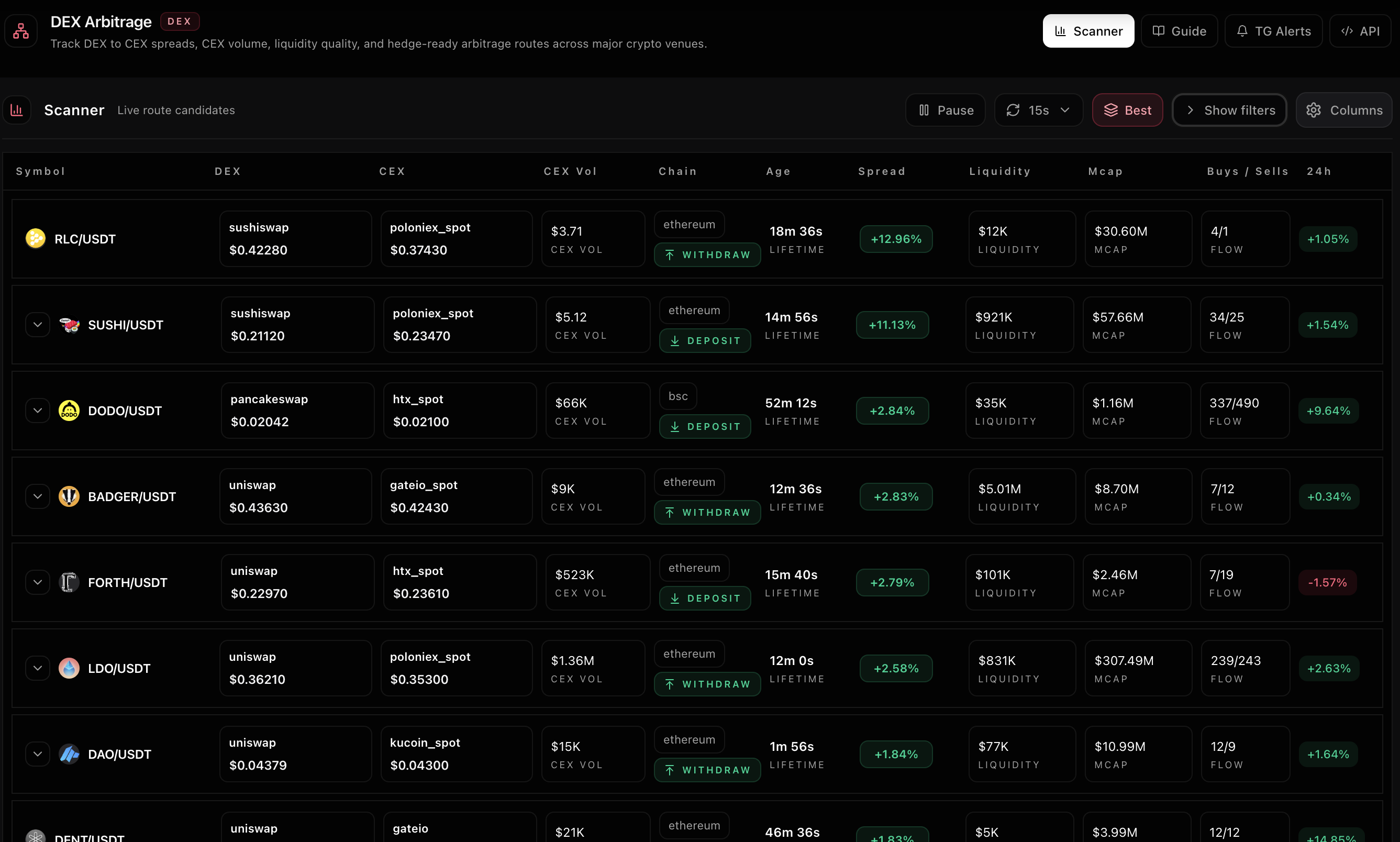
Live Perpetual Opportunity Matrix
Our infrastructure queries thousands of order books across Binance, Bybit, OKX, and Deribit to surface actionable spreads before they close.
Supported Perpetual Venues
Learn how to track perpetual futures spreads, funding-rate gaps, route lifetime, exchange liquidity, order-book depth, and Telegram alerts for market-neutral setups.
| Exchange | Liquidity | Fees | Notes |
|---|---|---|---|
| Binance | Very High | Low (0.02-0.05%) | Best for high-volume arbitrage with lowest slippage |
| Bybit | High | Low (0.02-0.05%) | Strong perp markets and fast API execution |
| OKX | High | Low (0.02-0.05%) | Reliable for institutional-size trades |
| MEXC | Medium | Competitive | Good for altcoin perp opportunities |
Tip: Always verify withdrawal/deposit status before executing arbitrage
How to Identify Perpetual Contract Arbitrage Opportunities
The core of successful perpetual arbitrage lies in detecting structural price inefficiencies between identical contracts trading on different venues. Our monitoring system scans 2,500+ pairs across 26+ exchanges in real-time, surfacing opportunities where the spread exceeds transaction costs and expected holding expenses.
Best Venues for Market-Neutral Perpetual Trading
Leading platforms include Binance (deepest liquidity), Bybit (strong altcoin perpetuals), OKX (competitive fee structure), MEXC (emerging coin opportunities), and Gate.io (broad selection). Each venue offers unique order book dynamics, creating cross-exchange divergence when local demand varies.
Understanding Periodic Payment Capture
Perpetual contracts feature recurring payments between long and short holders to anchor prices to the underlying index. When payment rates diverge across venues, traders can capture the net differential by holding offsetting positions—earning every 8 hours while remaining hedged against absolute price movement.
Risk Management in Cross-Venue Hedging
Critical risk factors include liquidation exposure from temporary spread widening, payment rate reversals that turn carry negative, execution slippage on less liquid pairs, and operational risk from exchange API or platform issues. Employ isolated margin, conservative leverage (1-3x), and always maintain sufficient collateral buffers on both legs.
Basis Trading vs Funding Capture
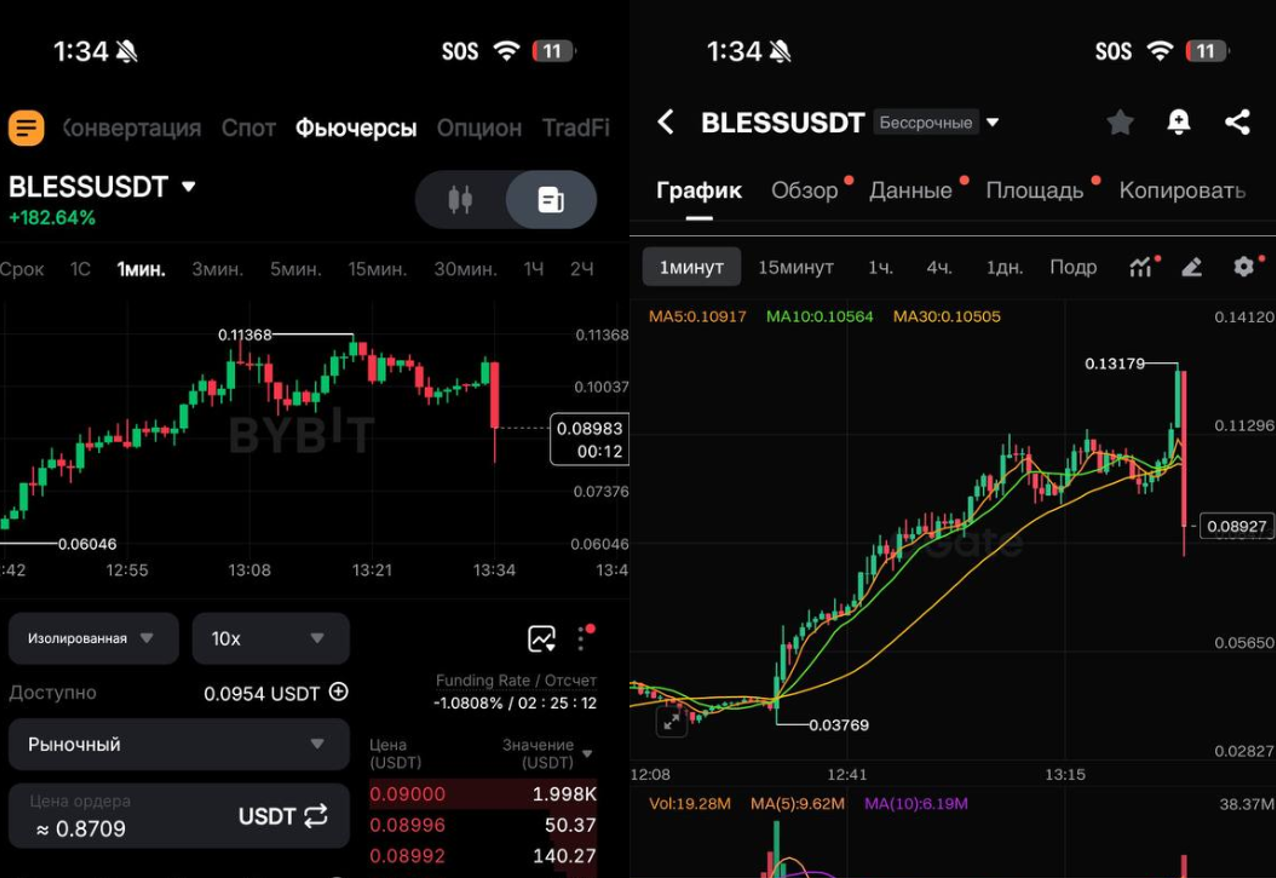
Two distinct profit mechanisms exist in perpetual arbitrage: basis trading (capturing the price differential between venues as spreads converge) and funding capture (collecting periodic payments when rate differentials favor your position). The most profitable opportunities combine both mechanisms simultaneously.
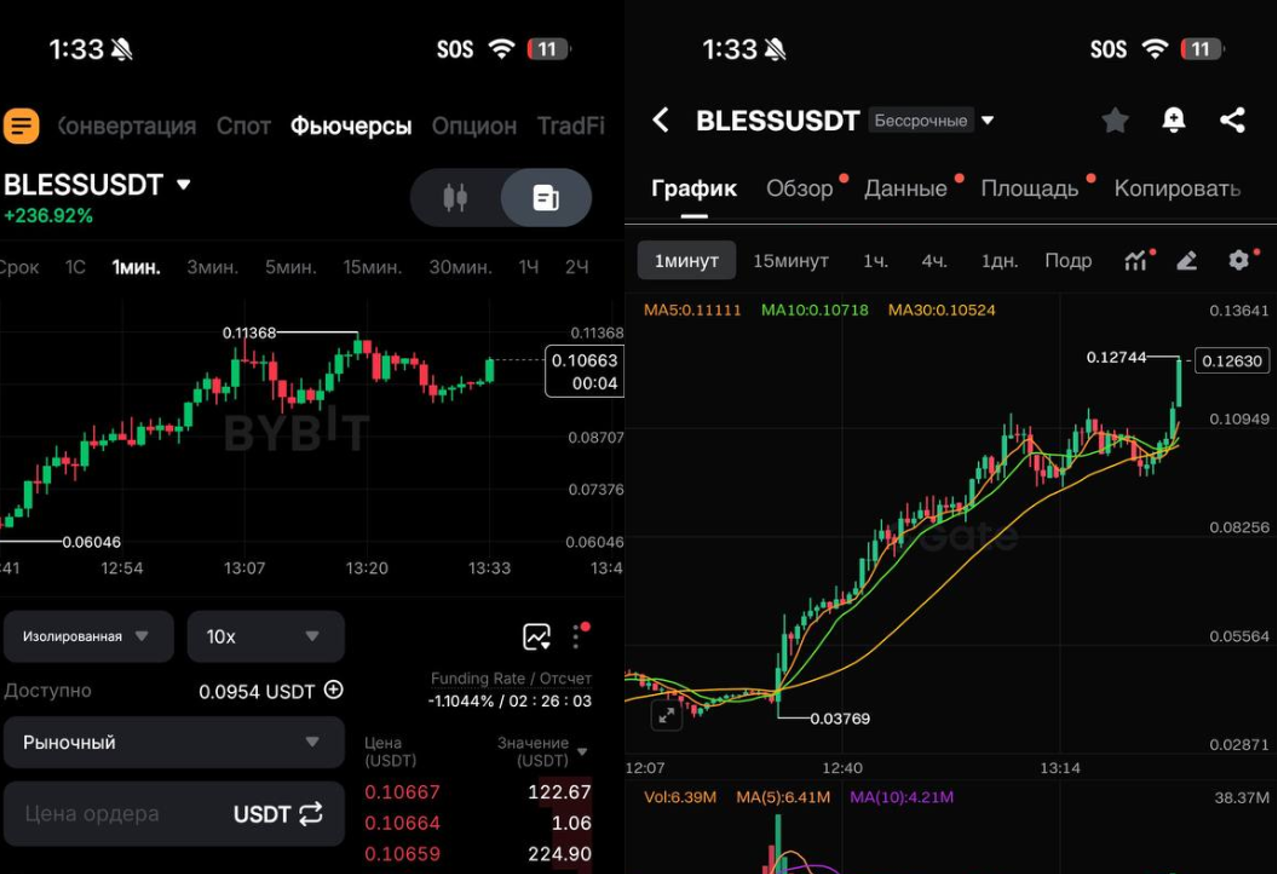
Live Example: Spread Convergence
Optimizing Transaction Economics
Always favor limit orders over market orders. The fee differential—often 0.02-0.05% per side—directly improves your net return, especially for shorter holding periods.
Pre-Execution Risk Checklist
Verify margin allocation on both accounts. Use cross-margin mode to maximize capital efficiency and maintain adequate liquidation buffers on both sides of the trade.
Advanced Execution Techniques
Prioritize assets with deep order books (>$100M open interest) for stable pricing and easy position closure. Use limit orders to capture maker rebates and minimize transaction costs.
Managing Exposure in Synthetic Hedges
While directionally neutral, temporary spread widening can stress margin requirements. We recommend conservative leverage (2x-3x) and isolated margin for position-level risk control. Our dashboard monitors liquidation proximity in real-time.
Understanding Periodic Payment Mechanics
Perpetual contracts feature recurring payments between long and short holders to anchor prices to the underlying index. When payment rates diverge across venues, traders can capture the net differential by holding offsetting positions—earning every 8 hours while remaining hedged against absolute price movement.
Two distinct profit mechanisms exist in perpetual arbitrage: basis trading (capturing the price differential between venues as spreads converge) and funding capture (collecting periodic payments when rate differentials favor your position). The most profitable opportunities combine both mechanisms simultaneously.
Risks of Futures Arbitrage
Futures arbitrage reduces directional risk, but it still depends on execution quality and exchange reliability. Treat risk management as part of the strategy.
Liquidation risk
Temporary spread widening or volatility can liquidate one leg if leverage is too high. Use isolated margin and keep a liquidation buffer (1–3x is typical).
Funding fees (rate flip)
Funding can reverse while you hold the hedge. Set a maximum hold time, monitor funding direction, and avoid holding through high-impact events.
Slippage & fees
The displayed spread might disappear once you hit the book. Prefer limit orders, confirm depth on both sides, and include round-trip fees in your edge.
Exchange/operational risk
Downtime, API delays, or sudden parameter changes can break synchronization between legs. Prefer top venues for size and keep position sizing conservative on smaller exchanges.
Telegram Futures Arbitrage Alerts
Configure Telegram alerts for live futures arbitrage spreads, funding gaps, exchange routes, volume filters, and saved signal rules.
Telegram alerts for crypto arbitrage deliver instant notifications when profitable spreads appear across 26 exchanges. Monitor Binance, Bybit, OKX, MEXC, and Bitget perpetual futures in real-time.
Notification Filters
- • Spread threshold (Min-Max %)
- • Volume filters (USD limits)
- • Symbol include/exclude lists
- • Exchange selection
- • Lifetime minimum settings
Alert Contents
- • Trading pair and spread %
- • Long/Short exchange prices
- • Funding rates on both legs
- • Estimated PNL calculations
- • Volume and position lifetime
The system tracks funding rate arbitrage — capturing returns from spot vs futures differences for consistent daily income regardless of market direction. Connect your Telegram to @arbscanner1_bot to start receiving alerts.
Crypto Arbitrage Strategy Comparison
| Approach | Risk Profile | Profit Mechanism | Time Horizon |
|---|---|---|---|
| Funding Rate Capture | Low | Periodic payments from rate differentials | 8 hours per cycle |
| Basis Trading | Medium | Spread convergence between venues | Minutes to hours |
| Cross-Exchange Hedging | Medium | Price inefficiency exploitation | Hours to days |
| Perp Premium Harvesting | Low-Medium | Combined funding + convergence | Variable |
All strategies require careful margin management and real-time monitoring. Past performance does not guarantee future results.
Guides
Explore companion playbooks for spot-futures cash & carry and cross-exchange spot arbitrage. Each guide includes execution checklists, risk controls, and live scanner links.
Futures Arbitrage Guide
Funding rate capture, cross-exchange hedging, and perpetual spread convergence.
Spot-Futures Cash & Carry
Lock the basis premium with delta-neutral hedges on the same venue.
Spot Arbitrage Playbook
Cross-exchange spreads, network transfer checks, and fee-aware execution.
FREQUENTLY ASKED QUESTIONS
Is this strategy truly market-neutral?
How frequent are payment cycles?
Can I start with limited capital?
What if rates turn against my position?
Which venues show the best opportunities?
What role does Open Interest play?
How do I calculate true net returns?
What is funding rate arbitrage and how does it work?
How much capital do I need for futures arbitrage?
What is the difference between spot and futures arbitrage?
How long should I hold a futures arbitrage position?
Can I run this strategy with low leverage?
Is funding arbitrage profitable?
What is the best leverage for futures arbitrage?
How do I minimize slippage?
Start Capturing Market Inefficiencies Today
Join thousands of traders using our precision scanner to identify delta-neutral opportunities across 26+ exchanges. Real-time alerts, advanced filtering, and professional-grade analytics.
No credit card required • Setup takes 2 minutes • Cancel anytime