Spot Arbitrage Scanner
Cross-exchange spreads, transfer status, and execution routes
Spot Arbitrage Scanner Guide | Cross-Exchange Spreads
Real-time cross-exchange spot spreads with fee-aware net ROI. Validate order-book depth and wallet status, then transfer fast (SOL/TRC20/BEP20) with Telegram alerts.
Mastering Professional Crypto Spot Arbitrage
Spot arbitrage trading is the essential crypto strategy for capturing market inefficiencies across global exchanges globally. By securing assets on highly liquid exchanges at a discount and flipping them on localized platforms where demand is higher, you can generate consistent, low-risk revenue. Our scanner tracks 2000+ altcoin pairs to find the most profitable loops.
Our enterprise-grade tools analyze order book depth, trading volume, and wallet status (deposits/withdrawals) in milliseconds. This ensures your capital is never trapped in maintenance mode, providing a 99.9% execution success rate for active traders.
Spot Arbitrage Scanner Guide | Cross-Exchange Spreads
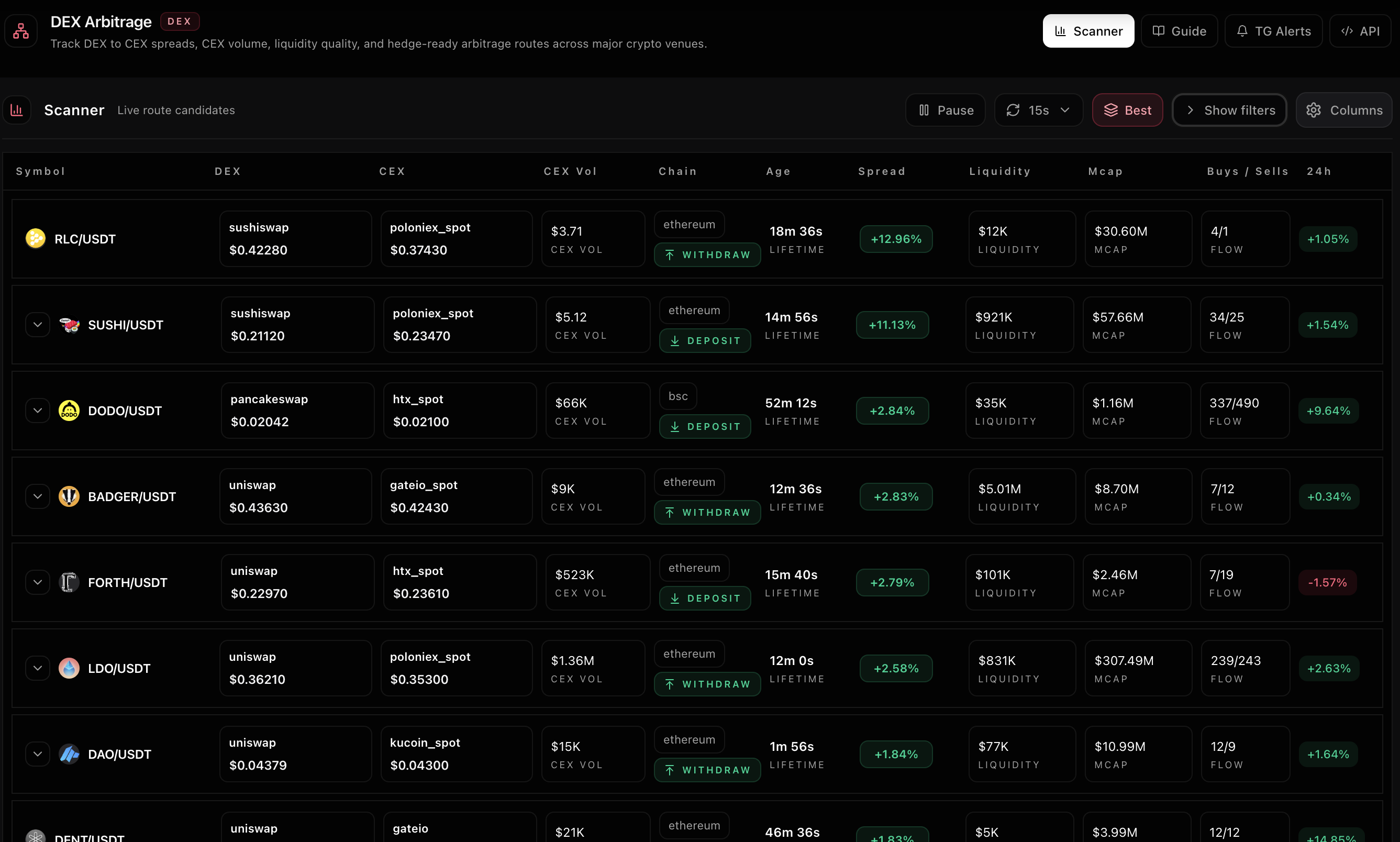
Real-time spot arbitrage scanner with filters, order-book checks, and fee-adjusted spread detection.
Buy on the undervalued exchange using limit orders and depth validation to reduce slippage.
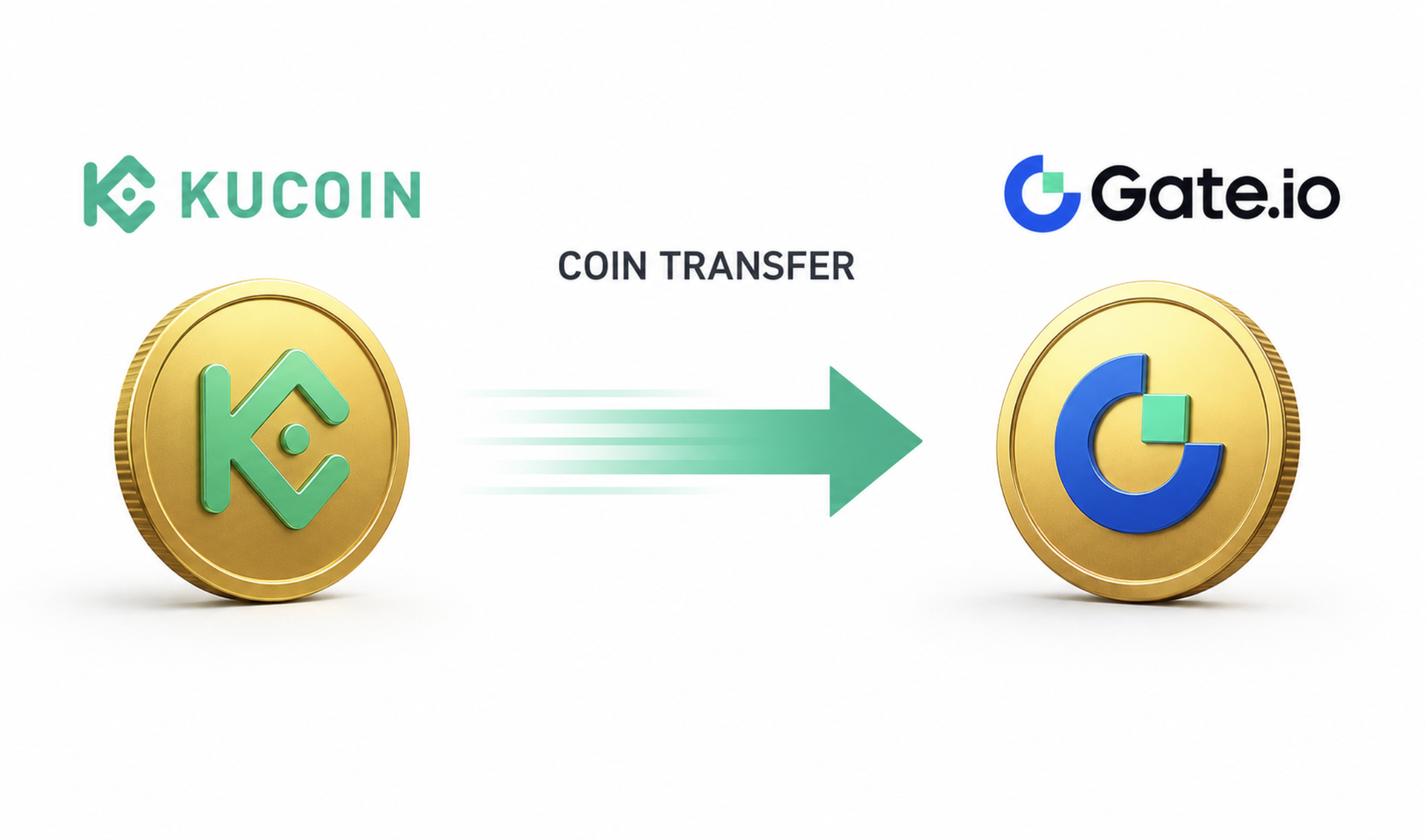
Transfer via a fast network (SOL/TRC20/BEP20) and wait for confirmed deposit to keep net ROI positive.
Sell on the premium exchange, manage slippage, and lock profit in USDT/USDC after fees.
How Automatic Cross-Exchange Arbitrage Works
Step 1: Intelligent Spread Detection
Our algorithm scans millions of data points across global decentralized and centralized exchanges. We identify decoupled prices for Bitcoin, Ethereum, and thousands of low-cap gems. We check market depth to ensure your trade size won't cause slippage.
Step 2: Low-Fee Execution
Initiate your buy order on the undervalued exchange. Our scanner automatically calculates Taker/Maker fees to provide an accurate NET profit percentage before you commit your capital.
Step 3: High-Speed Blockchain Transfer
Transfer your assets via the most efficient blockchain networks (Solana, Polygon, Arbitrum). We monitor network status and average confirmation times to ensure the spread remains open during transit.
Step 4: Final Sale & USDT Profit Capture
Once the deposit is confirmed, execute your sell order on the premium exchange. Realize your profit immediately in stablecoins like USDT or USDC and reset for the next high-yield cycle.
Institutional Arbitrage Transfer Checklist
Success in spot arbitrage requires precision. Always verify the network node health and specific exchange requirements such as Memos, Tags, or Comments to prevent the permanent loss of crypto assets.
Pre-trade critical checks
- Withdrawals status on buy exchange
- Deposits status on sell exchange
- Network fee vs expected net profit
- Order book depth for slippage control
Optimized Blockchain Networks
| Network | Avg Speed | Arbitrage Note |
|---|---|---|
| SOL | Seconds | Great for speed-sensitive trades |
| TRC20 | 1–5 min | Common for stablecoins |
| BEP20 | 1–3 min | Usually low fees |
Critical: Verify specific Memo, Tag, or Comment requirements for each wallet address.
Advanced Real-Time Arbitrage Monitoring
Deploy our engine to monitor 2000+ altcoins across 50+ global CEXs. Detect profitable price discrepancies before they vanish.

Risk Management & Volatility Protection
While spot arbitrage is low-risk, exchange maintenance and network congestion are primary factors. Our scanner automatically flags 'Offline' wallets, protecting you from trapped funds. Never execute a trade if the 'Withdrawal Status' is red on the starting exchange.
Advanced Arbitrage Pro-Tips for High ROI
Capitalize on market volatility during major price swings. Altcoin spreads on second-tier exchanges often lag by 3-5%, creating significant opportunities for automated scanning tools.
Best Exchanges for Spot Arbitrage
Spot arbitrage performance is driven by withdrawal reliability, deposit speed, and order book depth. Prefer exchanges with stable operations and low fees for your target assets.
| Exchange | Liquidity | Withdrawals | Notes |
|---|---|---|---|
| Binance | Very high | Reliable | Good for size and tight spot spreads |
| OKX | High | Reliable | Strong operations and execution |
| Bybit | High | Reliable | Fast UI and good liquidity on majors |
| MEXC | Medium | Varies | Always check withdrawal status first |
Tip: If withdrawals are slow or disabled, ignore the spread — it is not actionable.
High-Performance Strategy Execution
Use limit orders to earn maker rebates where possible. Maintain active balances on at least 10 major platforms (Gate.io, MEXC, Bybit) to maximize your reach and catch the best spreads before they vanish.
Institutional Arbitrage Transfer Checklist
Success in spot arbitrage requires precision. Always verify the network node health and specific exchange requirements such as Memos, Tags, or Comments to prevent the permanent loss of crypto assets.
Advanced Arbitrage Pro-Tips for High ROI
Capitalize on market volatility during major price swings. Altcoin spreads on second-tier exchanges often lag by 3-5%, creating significant opportunities for automated scanning tools.
Risk Management & Volatility Protection
While spot arbitrage is low-risk, exchange maintenance and network congestion are primary factors. Our scanner automatically flags 'Offline' wallets, protecting you from trapped funds. Never execute a trade if the 'Withdrawal Status' is red on the starting exchange.
Technical Arbitrage Mechanics
Deploy our engine to monitor 2000+ altcoins across 50+ global CEXs. Detect profitable price discrepancies before they vanish.
Critical: Verify specific Memo, Tag, or Comment requirements for each wallet address.
Live Example: Cross-Exchange Spot Arbitrage (Bitget → KuCoin)
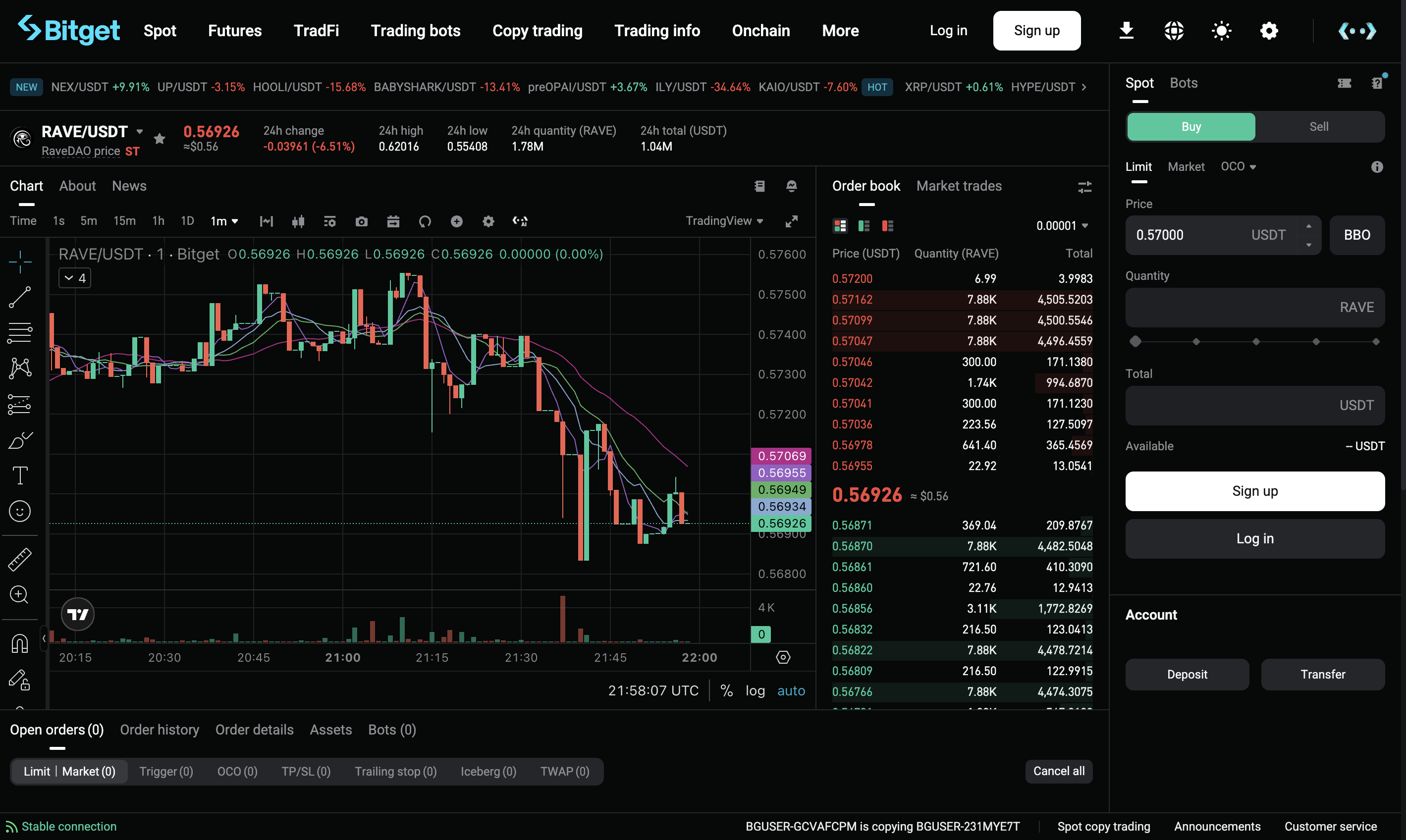
Bitget buy leg (RAVE/USDT). Spot arbitrage order book + depth check before transfer.
Trade Execution
Buy leg (before transfer)
Buy RAVE/USDT on Bitget at $0.56926. Confirm withdrawals and deposits are enabled on both exchanges, then pick a fast network supported by both sides. Transfer fee ~ $1.50, ETA ~ a few minutes. Plan the exit on KuCoin with a limit order to reduce slippage.
Pre-Trade Checks
- Withdrawals enabled on Bitget (buy side)
- Deposits enabled on KuCoin (sell side)
- Correct network + memo/tag rules + minimum withdrawal
- Order book depth supports your size (avoid thin books)
- Net ROI stays positive after fees + transfer
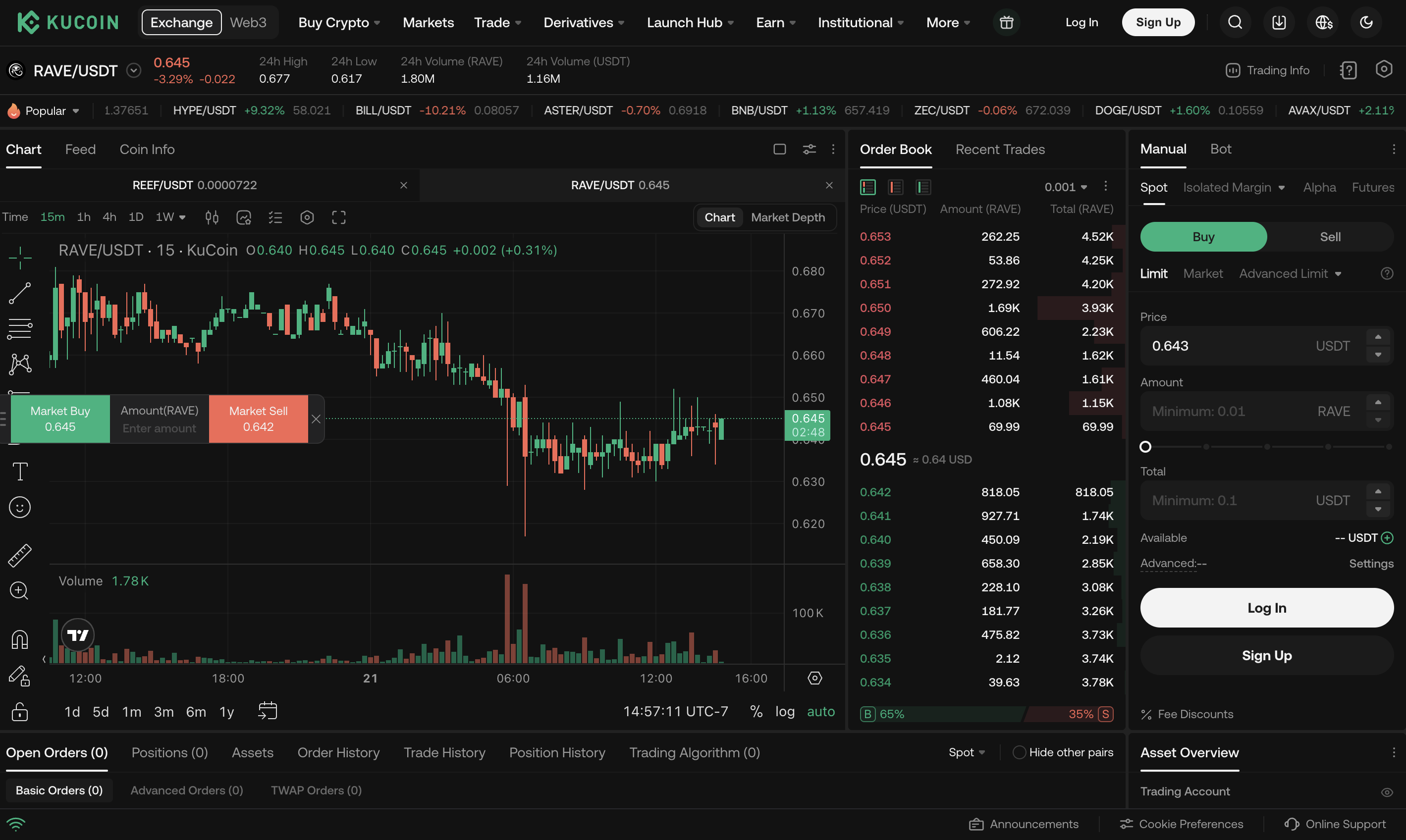
Price moved during transfer, but the spread stayed net-profitable. Sold on KuCoin at $0.62000. Gross profit ~8.9% minus fees leaves ~8.5% net. If the book is thin, withdrawals pause, or deposit ETA gets long, skip the trade.
Exit Rules
- Exit if spread compresses below your net threshold
- Exit if deposit ETA grows (network congestion) and edge disappears
- Skip if withdrawals/deposits pause or liquidity dries up
KuCoin sell leg (RAVE/USDT). Cross-exchange spot spread execution with fee-aware net ROI.
After Transfer
Sell leg (profit realized)
Network Speed Comparison
Risks of Spot Arbitrage
Spot arbitrage carries directional exposure during transfers. The main risks are operational: delays, disabled withdrawals/deposits, and price moves while funds are in transit.
Transfer time risk
The spread can disappear before the deposit arrives. Use fast networks, target larger spreads, and define a maximum transfer time to exit or hedge.
Withdrawal/deposit outages
Exchanges can pause withdrawals or deposits without warning. Always validate status before entry and avoid assets with frequent maintenance.
Fees and minimums
Network fees, withdrawal minimums, and trading fees can erase small spreads. Use a net-profit threshold after costs.
Slippage
The displayed spread might not be executable at your size. Confirm depth on both exchanges and prefer limit orders for entry/exit.
Spot Arbitrage Alerts
Buy on one exchange, sell on another. Capture price differences across 50+ spot markets with instant Telegram notifications.
Spot arbitrage involves buying cryptocurrency on an exchange where the price is lower and selling it where the price is higher. Unlike futures arbitrage, spot trading requires real coin transfers between exchanges via blockchain networks.
Notification Filters
- • Spread threshold (Min-Max %)
- • Volume filters (USD limits)
- • Symbol include/exclude lists
- • Buy & sell exchange selection
- • Network availability check
Alert Contents
- • Trading pair and spread %
- • Buy/Sell exchange prices
- • Withdrawal/Deposit status
- • Network fee estimates
- • Volume and 24h change
The system monitors withdrawal and deposit availability — critical for spot arbitrage execution. Fast networks like SOL, TRC20, and BEP20 usually confirm quickly, while congested networks can erase the edge. @arbscanner1_bot.
Guides
Use related playbooks to compare spot spreads vs market-neutral strategies like Cash & Carry and Futures hedging.
Spot-Futures Cash & Carry
Lock the basis premium with delta-neutral hedges on the same venue.
Futures Arbitrage Guide
Funding rate capture, cross-exchange hedging, and perpetual spread convergence.
Spot Crypto Arbitrage Master FAQ
Is spot arbitrage safe for beginners?
How much capital do I need to start?
Are spreads guaranteed?
Which blockchain networks are the cheapest?
Can I use an automated arbitrage bot?
What are the most profitable exchanges?
How do I calculate trading fees?
What is the best crypto arbitrage scanner for beginners?
How fast do crypto arbitrage opportunities disappear?
Is crypto arbitrage legal?
What are the biggest risks in spot arbitrage?
How do I avoid getting stuck during transfers?
Start Spot Spread Scanning
Open the spot scanner, validate transfer networks, and enable Telegram alerts to catch executable spreads faster.